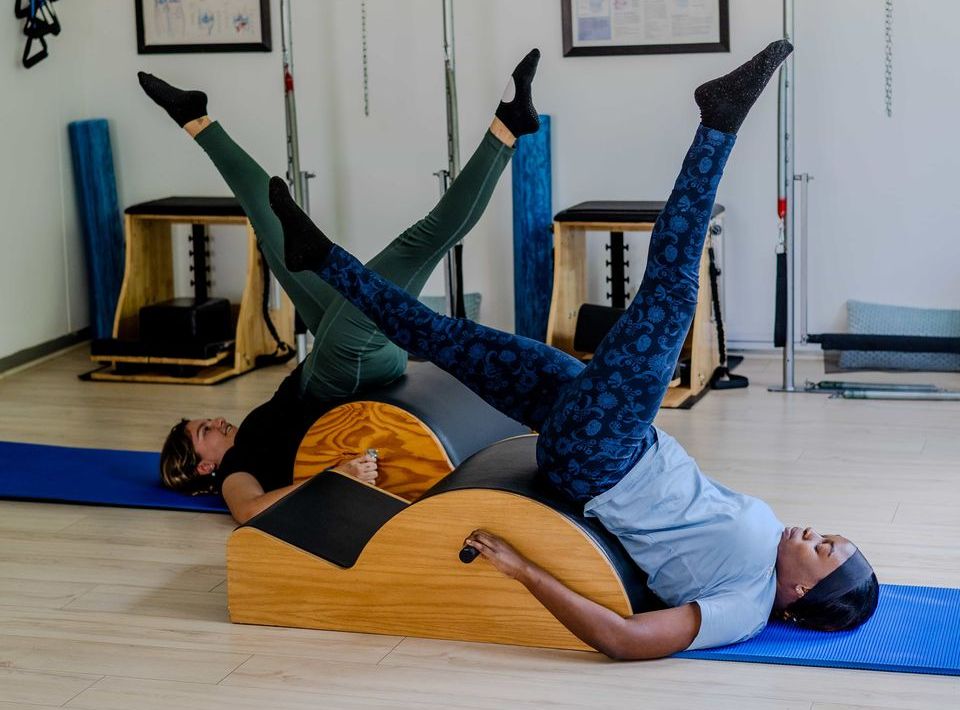
How to become a Pilates instructor in South Africa
How to become a Pilates instructor in South Africa, step by step: classes, accredited training, practical hours and exams. Find the right course.

To become a Pilates instructor in South Africa, you take Pilates classes to learn the method, complete an accredited teacher training course, log your practical hours, and pass a theory and practical exam. Most people start with a Mat qualification and add equipment such as the Reformer later. This guide sets out how to become a Pilates instructor step by step, what the training covers, and how long it takes.

How to become a Pilates instructor: step by step
- Take classes first. Before you train to teach, get to know the method from the client’s side. Join a few mat and equipment classes so you understand the exercises, the terminology and the teaching style. Some courses require a minimum number of classes before you enrol.
- Choose your starting course. The Mat & Small Equipment course is the foundation for every other qualification. If you want to teach on the Reformer straight away, a Mat & Reformer combination covers both.
- Check the accreditation. Look for a course recognised by South African professional bodies such as REPSSA, SASP or BASA, so your qualification counts towards CPD points and is respected by employers.
- Register and plan your payments. Download the course info pack, complete the online registration form and choose a payment option. Many providers, including us, offer payment plans.
- Attend the lectures. Lectures cover anatomy, the exercise repertoire, cueing, modifications and teaching skills. Groups are small, and private lectures can be arranged if group dates don’t suit you.
- Complete your practical hours. This is where you become a teacher: self-practice, observing experienced instructors and teaching clients under supervision.
- Prepare and sit your exams. Tutorials and practice tests help you prepare for a theory paper and practical exams. At Pilates Dynamics the pass mark is 70%, and exams run three times a year (March, July and October).
- Start teaching and keep learning. Gain experience at an established studio, then add further equipment qualifications as your career grows.
What Pilates instructor training covers
A good course teaches you how to teach, not just what to teach. Our courses cover:
- Mat repertoire from pre-Pilates through levels 1, 2 and 3, in both classical and contemporary approaches
- Large equipment, including the Reformer, Cadillac, Wunda chair, towers and barrels
- Small props such as foam rollers, magic circles, physio balls, toning bars, TRX and Bosu
- Anatomy, movement analysis and faulty postures
- Injury modifications, contra-indications and designing training programmes
Being versed in both classical and contemporary Pilates makes you a more adaptable instructor who can work with a wider range of clients. You don’t need prior anatomy knowledge, as it is included in the course, although a background in movement is helpful.

Choosing the right Pilates course
Pilates Dynamics offers six courses so you can start at the right level:
- Mat & Small Equipment (85 hours): the foundation course
- Intensive Reformer (70 hours): for those already Mat qualified
- Mat & Intensive Reformer combination (155 hours)
- Wunda Chair (45 hours)
- Comprehensive Conversion (230 hours): all the large equipment, for qualified Mat teachers
- Comprehensive (315 hours): Mat plus all the large equipment
Every course includes training manuals, videos of the exercises, studio access for practice and observation hours, supervised teaching with feedback, practice tests, pre-exam tutorials and the final exam. To understand how qualifications compare, see our guide to Pilates certification in South Africa.

Why it’s worth training properly
People come to Pilates teaching for many reasons: they love the method, want to leave an office job, enjoy helping people progress, or want a more flexible schedule. Whatever your reason, the quality of your training shapes your confidence and your job prospects. Studios test new instructors on their knowledge and teaching skills, so an in-depth course with real studio practice puts you in a stronger position, whether you want to teach in South Africa or abroad.
We also recommend working at an established studio before setting up on your own, so you gain experience with a wide range of clients first.
Frequently asked questions
How long does it take to become a Pilates instructor?
It depends on the course and how quickly you complete your practical hours. You have up to a full year from your start date, and many students finish sooner.
Do I need a Mat qualification before the Reformer?
Yes. Mat training is the basis of all the equipment courses, which is why the combination course exists for those starting out.
How much does it cost?
Fees change, so check the info pack for current prices. Our post on Pilates instructor course cost explains what is included.
Get started
Ready to begin? Explore our teacher training courses, download the info pack for current dates and fees, or get in touch to arrange a visit to the studio. You can also call 011 792 5459, WhatsApp 072 999 2229 or email info@pilatesdynamics.co.za.