How often should I do Pilates? Your weekly routine and the benefits
How often should I do Pilates? Most people do best with two to three sessions a week. See what suits beginners, maintenance and injury recovery.

How often should I do Pilates? For most people the answer is two to three sessions a week. That is enough to build strength, improve posture and see real changes within a few weeks, while leaving time for your body to recover. Beginners can start with two classes a week, people maintaining their results can often manage with one or two, and anyone recovering from an injury should follow the advice of their doctor, physio or biokineticist. Below we look at each of these in more detail, and at the benefits you can expect once Pilates becomes a habit.
How often should I do Pilates? The short answer
Pilates is a resistance workout, so your muscles need a little time to recover and adapt between sessions. Two or three classes a week, ideally with a rest day or a different type of exercise in between, gives you the best balance of progress and recovery. Consistency matters far more than intensity: three classes a week, every week, will do more for you than six classes one week and none the next.
If you are a beginner
Start with two sessions a week. This lets you learn the basics, such as breathing, alignment and how to engage your deep core muscles, without overloading your body. Once the movements feel familiar, you can add a third class. Our guide on Pilates for beginners explains what to expect in your first classes.
If you want to maintain your results
Once you have built a good foundation, one or two classes a week can help you hold on to your strength, flexibility and posture, especially if you also run, cycle, swim or go to the gym.
If you are recovering from an injury
Pilates is widely used in rehabilitation, but the right frequency depends on your injury and your stage of recovery. Check with your doctor or physio first. At Pilates Dynamics, our biokineticist, Aurelie, can help you plan a safe programme, often starting with private sessions before you join a group.
What is Pilates?
Pilates was developed by Joseph Pilates in the early 20th century and was originally called “Contrology”. It is a full-body workout that uses springs and your own body weight for resistance, with an emphasis on the core, controlled breathing and correct alignment of the spine and pelvis. Joseph Pilates was involved in many sports and designed the method to train body and mind together, for athletes and non-athletes alike.
Pilates strengthens the stabiliser muscles that support your skeleton, particularly around the spine, which in turn improves posture. Precision and control are core principles, so you learn to work the right muscles rather than letting stronger ones take over.

The health benefits of regular Pilates
When you practise two to three times a week, these are some of the benefits many clients notice.
Better body awareness
Pilates is a mind-body practice. You pay close attention to which muscles are working, how each movement feels and how you breathe. Over time this carries into daily life, and better body awareness can help you move more safely.
Improved posture and core strength
Pilates helps you align your spine, keep a healthy range of motion in your joints and balance strength and flexibility between opposing muscles. A strong, well-functioning core, often called the “powerhouse”, can help reduce back, neck, shoulder and hip discomfort.
Better sports performance and fewer injuries
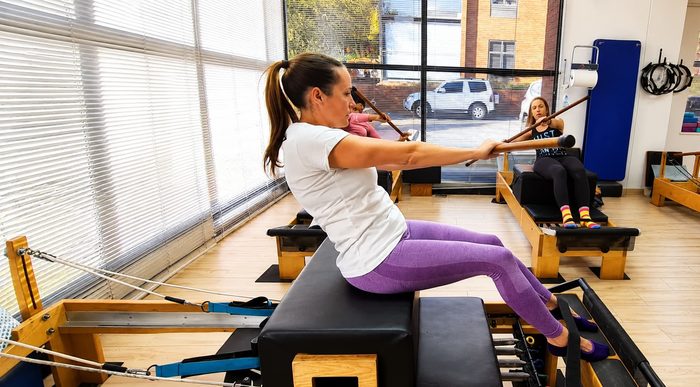
Because Pilates strengthens smaller, often neglected muscles and improves coordination and balance, it is an excellent complement to running, cycling, weight training, CrossFit, football, cricket and golf. Keeping muscles in balance can help prevent injuries, which is why many physiotherapists and biokineticists add a Pilates qualification to their skills.

More energy
The focus on breathing improves circulation and oxygen flow. Because Pilates is low impact, most people leave a class feeling energised rather than drained.
Stronger bones and joints
Modern life involves a lot of sitting, which is not good for bone health. Regular resistance exercise such as Pilates can support bone density and joint health at any age. If you have osteoporosis or arthritis, check with your doctor first so your instructor can adapt the exercises.
Mobility, strength and wellbeing
Many clients also find Pilates helps with menstrual discomfort, and most notice improvements in posture, range of movement, muscle tone and mood. You will feel the difference in everyday tasks as much as in sport.
Keeping your routine varied
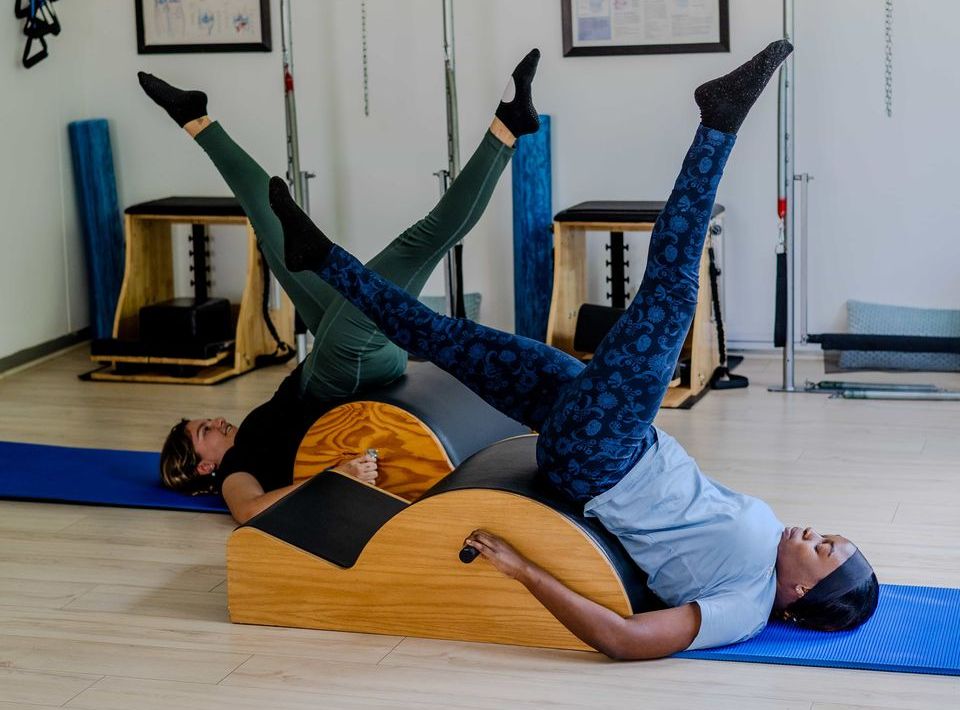
Doing the same workout over and over is the quickest way to lose motivation. Varying your classes keeps two or three sessions a week interesting and challenges your body in different ways. At Pilates Dynamics you can choose from:
- Mat and small equipment classes, including rebounding, TRX, Bosu and steppers
- Reformer classes
- Tower and Wunda chair classes
- Barre and stretch classes
- Private and pre/post-natal classes
Not sure which suits you? Read our comparison of reformer and mat Pilates.

Frequently asked questions
Can I do Pilates every day?
Gentle mat work or stretching most days is fine for many people, but for more demanding classes we suggest a rest day or a different activity in between so your muscles can recover.
Is once a week enough?
Once a week is better than nothing and works well for maintenance, but most people see faster progress with two to three sessions.
How long until I see results?
With two to three classes a week, many clients feel stronger and stand taller within a few weeks. Visible changes in tone usually follow with consistency.
Find your weekly routine
All our adult classes are 55 minutes and sold as monthly subscriptions, so you can choose the number of sessions that suits you. Start with a beginner assessment, then see our class prices and pick class times from our timetable. Call 011 792 5459 or 072 999 2229, or email info@pilatesdynamics.co.za.