10 reasons to become a Pilates instructor
Ten reasons to become a Pilates instructor, what qualification you need and where the career can lead. See if teaching Pilates is right for you.

Thinking about turning your love of Pilates into a career or a part-time income? The good news is that you can earn a living teaching Pilates, and the work suits a particular kind of person. Below are ten reasons to become a Pilates instructor. If you recognise yourself in several of them, it may be time to look seriously at a teacher training course.
Ten reasons to become a Pilates instructor
1. You want everyone you meet to try Pilates
If you already talk friends and colleagues into joining your classes, that enthusiasm is the starting point. You need to genuinely love the method to teach it well, day after day.
2. You feel stuck in your current job
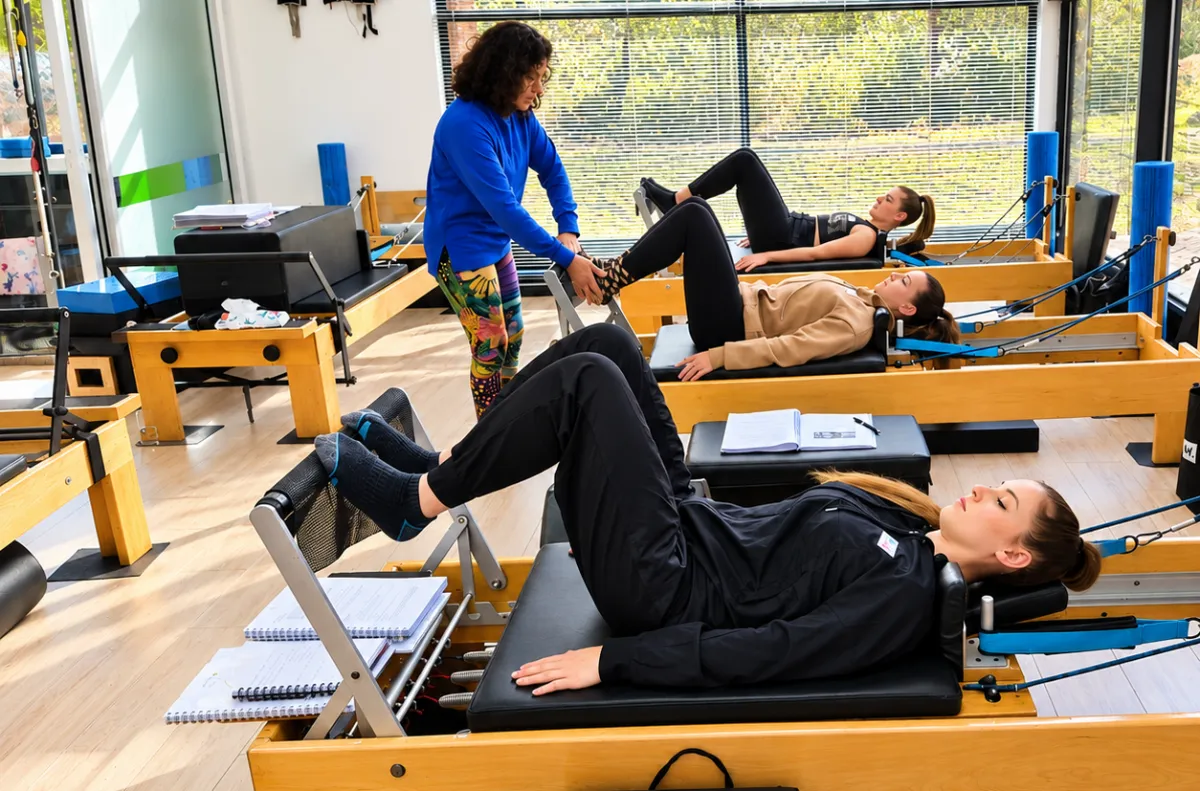
Work won’t always be fun, but it shouldn’t feel like a rut. Teaching Pilates means designing programmes and helping people get stronger and more flexible. Every client is different and every class changes, so there is little room for boredom.
3. You enjoy working with people
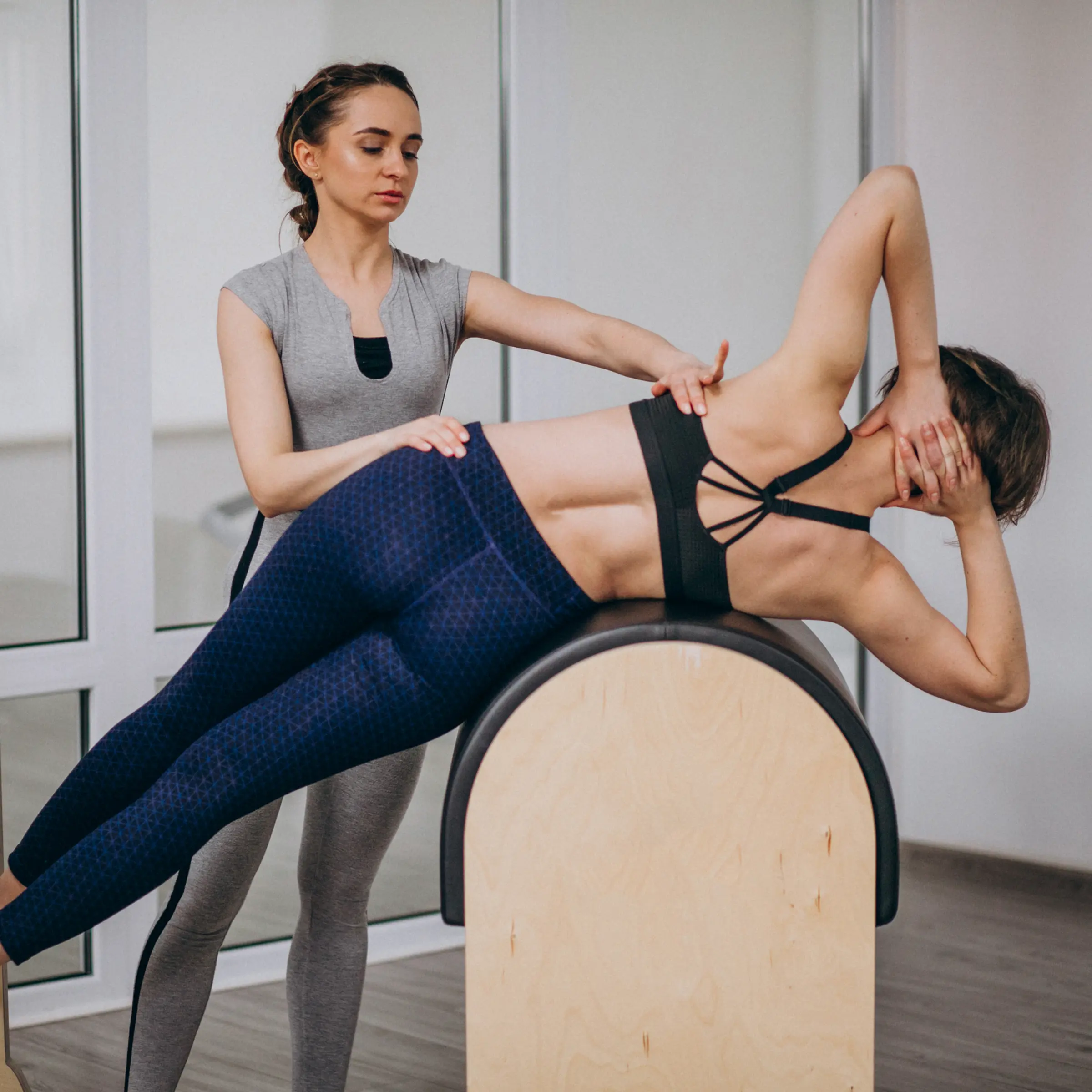
Instructors spend most of the day with clients: encouraging, correcting and motivating. Many find this the most rewarding part of the job. There is admin and marketing too, which makes for a good mix.
4. You want more meaningful work
Few jobs let you see the difference you make as clearly. Helping someone move with less discomfort, stand taller or regain confidence after a break from exercise is satisfying work. If you’re unsure about leaving your job, you can start teaching part-time first.
5. You want an active, physical career
If sitting at a computer all day isn’t for you, teaching keeps you moving and deepens your own practice at the same time.
6. You need flexible hours
Pilates is not a nine-to-five job. Many instructors schedule classes around family or other commitments, teaching early mornings, evenings or a few set days a week.
7. You want a career you can grow in
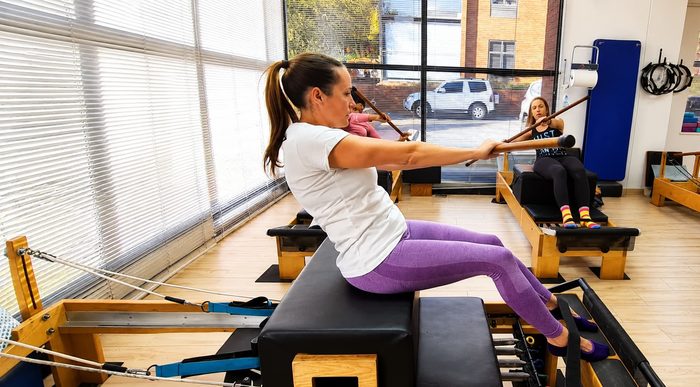
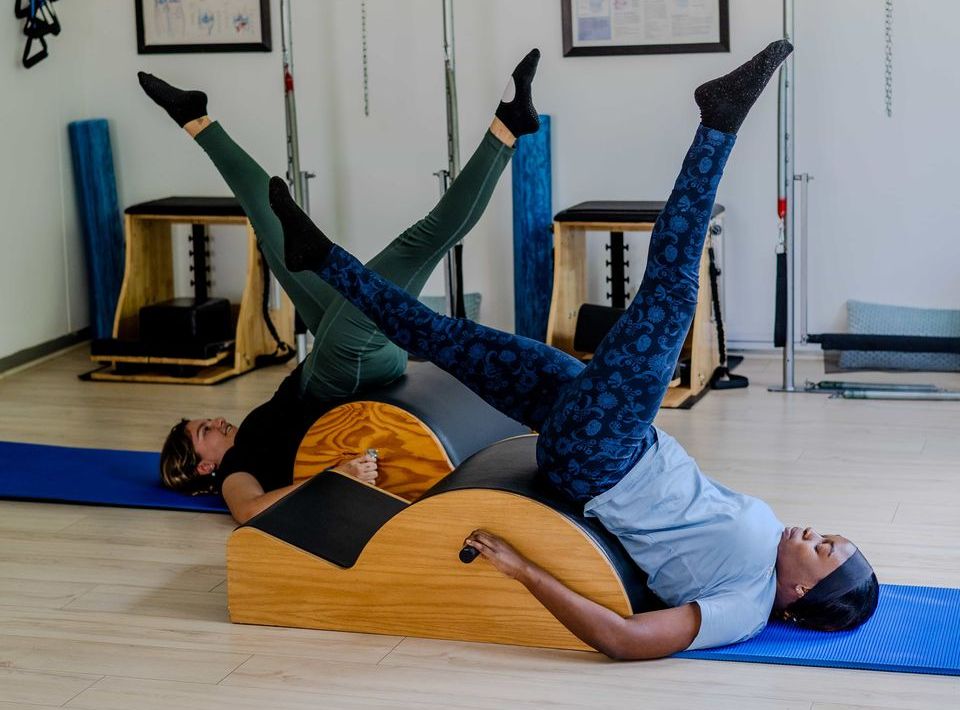
Pilates continues to be popular in South Africa and abroad. Once you have a Mat qualification you can add Reformer, Wunda chair and other equipment training, which widens the classes you can teach and where you can work.
8. You already work in health or fitness
Personal trainers, biokineticists and physiotherapists often add Pilates to set themselves apart and give clients another way to build strength, mobility and control.
9. You love learning
Whether or not you have a fitness background, teaching keeps your mind and body challenged. Good instructors keep learning long after they qualify, as our understanding of movement evolves.
10. You want to earn a living doing something you love
This is the most important reason. If you love Pilates and want to share it, teaching lets you do that while supporting yourself, and it is a career you can continue well into later life.
What qualification do you need to teach Pilates?
Most studios and gyms expect their instructors to hold a recognised certification, and clients increasingly ask about qualifications too. In South Africa, look for training that is accredited with bodies such as REPSSA, SASP or BASA. Our guide to Pilates certification in South Africa explains the options in more detail.
How long it takes depends on you. The Mat & Small Equipment course (85 hours) is the usual starting point, and how quickly you finish depends on how fast you complete your practical hours and prepare for the exam. Some students finish in a few months; others take up to a year while working.
What you can do once you’re qualified
With a certification you can apply to teach at a studio or gym, take private clients, or rent space and build your own client base. Many instructors start at an established studio to gain experience before working independently.
After the Mat course, the most popular next step is Reformer training, which opens up more class types and more opportunities. You can then build towards a comprehensive qualification covering all the large equipment. For a wider view of where the career can lead, read our post on building a Pilates career.
Why train with Pilates Dynamics?
Pilates Dynamics has been teaching Pilates in Randburg, Johannesburg, since 2007. Our courses teach you how the body works and how to structure safe, effective sessions for clients of every fitness level, so you can teach with confidence. You get:
- Small groups of 4 to 10 students
- Course manuals and an online exercise video library
- Practical hours in a fully equipped working studio
- Exams three times a year (March, July and October)
- Payment plans of up to six months
Frequently asked questions
Can you earn a living teaching Pilates?
Yes. Income depends on how many classes you teach and where, and many instructors combine studio work with private clients.
Can I teach part-time first?
Yes. Many students qualify while working and start with a few classes a week before deciding whether to teach full-time.
Take the first step
If these reasons to become a Pilates instructor sound like you, explore our teacher training courses or download the info pack for current dates and fees. You can also call 011 792 5459 or 072 999 2229, or email info@pilatesdynamics.co.za.