How to build a Pilates career: paths, earnings and where instructors work
Thinking about a Pilates career? Learn the paths open to instructors, how they earn and where they work in Johannesburg and abroad. Find your route.
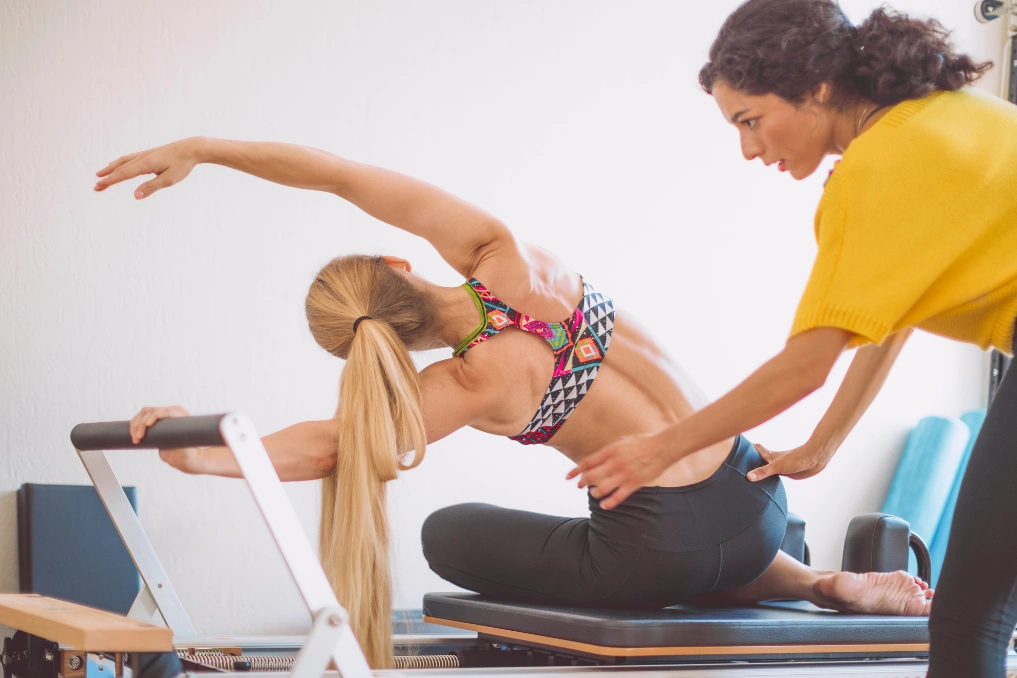
A Pilates career lets you earn a living from movement while helping people get stronger, move better and recover from niggles and injuries. In practice it means qualifying through a recognised teacher training course, building practical teaching hours, and then choosing how you want to work: employed in a studio, self-employed with your own clients, teaching in gyms or physio practices, or a mix of all of these. If you are in Johannesburg and wondering whether teaching Pilates could be your next step, this guide walks you through the paths, the earning options and where qualified instructors actually work.
Who a Pilates career suits
There is no single type of person who becomes a Pilates instructor. Over the years our students have included:
- Career changers who want to leave a desk job for work that is active and people-focused
- Personal trainers, dancers and sports coaches who want a deeper understanding of controlled movement
- Physiotherapists, biokineticists and occupational therapists adding Pilates to their existing practice
- Regular Pilates clients who have fallen in love with the method and want to understand it properly
You do not need to be super fit or flexible to start. What matters more is curiosity about how the body works, patience with people, and the commitment to put in the practice hours. It does help to have done some Pilates classes first so you know how the movements feel.
Career paths for qualified Pilates instructors
Once you are qualified, there are several ways to shape your working life. Many instructors combine two or three of them.
Studio instructor
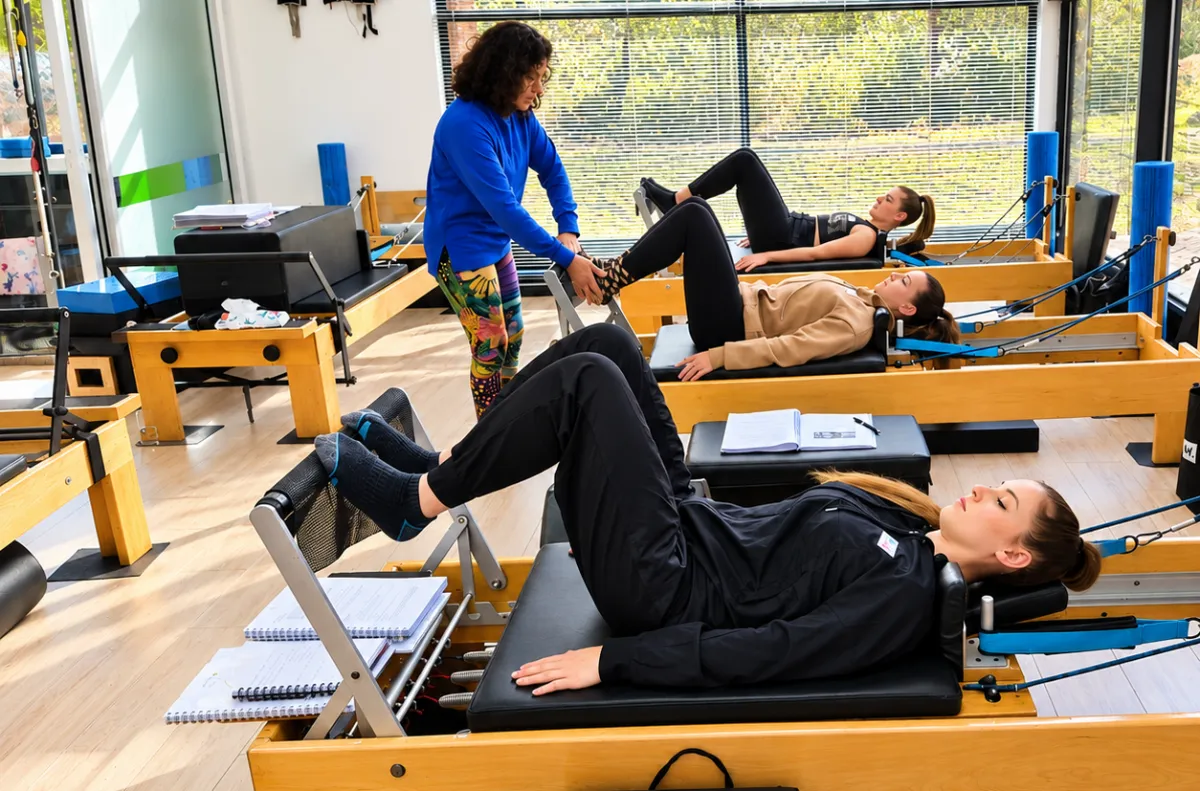
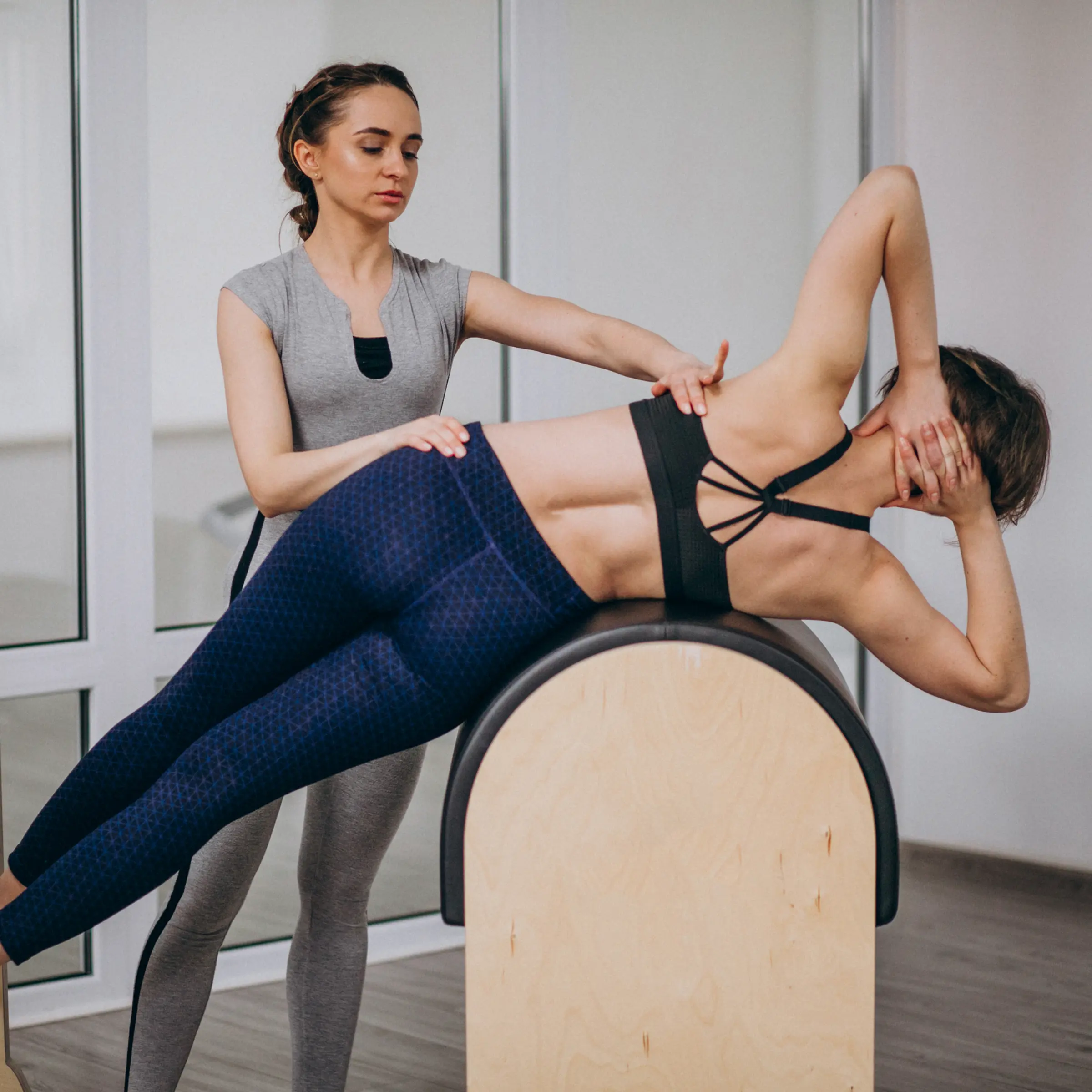
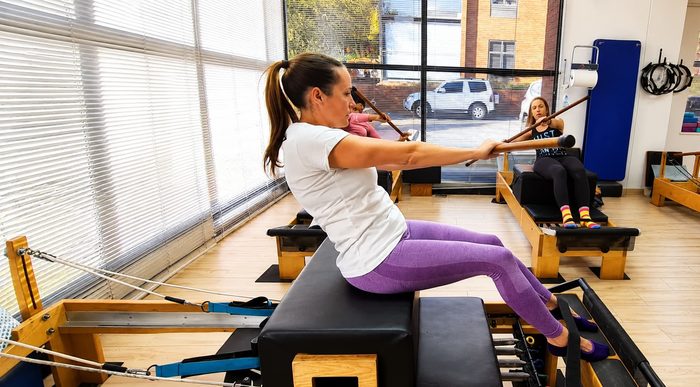
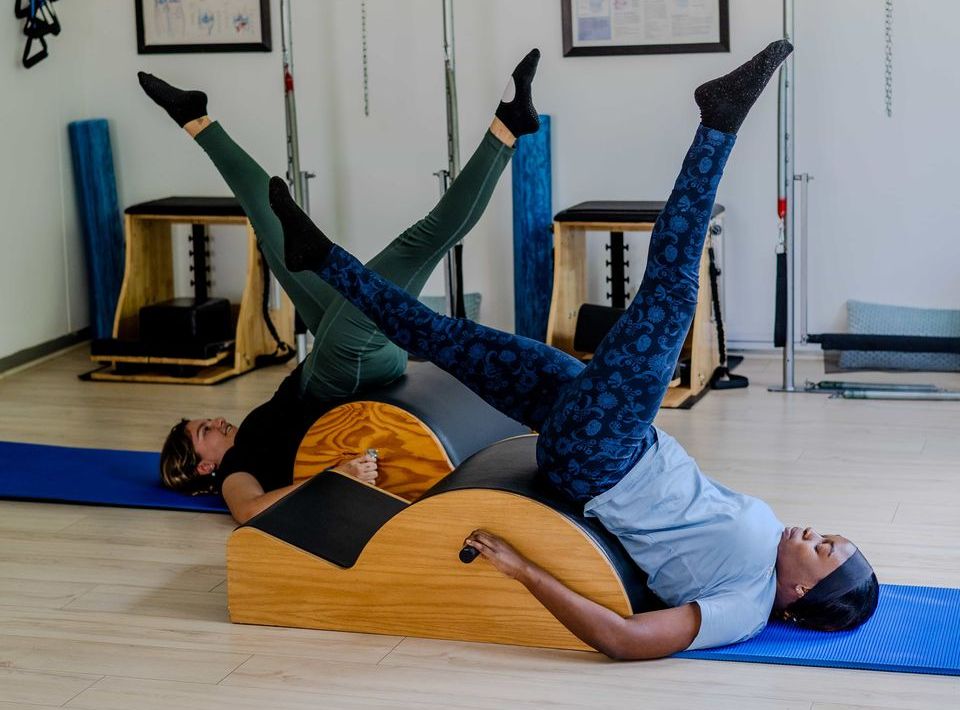
Most new instructors start by teaching in an established studio. You teach group and private classes, learn from senior instructors and build confidence with a steady flow of clients. Studios that offer reformer, tower and Wunda chair classes need instructors who are trained on that equipment, which is why your choice of course matters.
Self-employed instructor
Many instructors move into self-employment once they have experience and a loyal client base. You can rent space in a studio, teach privately from a home studio, or work as a mobile instructor visiting clients at home or in the office. You set your own hours, which is one of the big draws of this work for parents and anyone who wants a flexible schedule.
Working alongside health professionals
Pilates fits naturally into physiotherapy and biokinetics practices, sports clubs, gyms and wellness centres. If you already work in health or fitness, a Pilates qualification gives you another service to offer your existing clients.
Teaching abroad
A thorough qualification travels well. Studios overseas will usually ask you to teach a sample session before they hire you, so in-depth knowledge counts for more than a certificate alone. Read our guide to teaching Pilates abroad if working overseas appeals to you.
How Pilates instructors earn
What you earn as an instructor depends on how many hours you teach, the kind of classes you offer and whether you are employed or self-employed. Rather than quoting figures that date quickly, here is what shapes your earning potential:
- Equipment you can teach on. Instructors qualified on the reformer and the other large apparatus can take on more class types and more private clients than mat-only instructors.
- Private versus group work. Private sessions earn more per hour; small groups let you reach more people in the same time.
- Specialist knowledge. Confidence with injuries, pregnancy and postural problems makes you valuable to clients who need extra care.
- Your client base. Like any service business, a reputation built on results and good care keeps your diary full.
Some students also choose a learnership, where you train intensively and then start working under supervision while you complete your qualification. Find out more in our post on Pilates learnership opportunities in Johannesburg.
Choosing the right training for your Pilates career
Your qualification is the foundation of everything that follows, so choose a course that teaches you to understand bodies, not just to memorise exercises. Look for:
- Applied anatomy and movement, with the muscle focus and goal of each exercise explained
- Modifications for different bodies, plus injuries, pathologies and pregnancy
- Teaching and cueing skills, so you learn how to teach as well as what to teach
- A meaningful number of practical hours: self-practice, observation and supervised teaching
- Recognition by professional bodies such as REPSSA, SASP and BASA
At Pilates Dynamics in Randburg, Johannesburg, training runs in a natural progression. Most people start with the Mat & Small Equipment course, then add reformer training or the full set of large apparatus. If you know from the start that you want to teach on every piece of equipment, the Comprehensive course covers it all in one programme. Instead of repeating the course details here, you can compare every option on our Pilates teacher training courses page.
Practical hours are flexible. You can record your own practice and teaching at home, observe classes in the studio or online, and submit your evidence as you go, so you can fit your studies around work and family.
Frequently asked questions
Am I too old to start a Pilates career?
No. People qualify as instructors at many different ages. What counts is your willingness to practise, keep learning and look after your clients well.
Can I study while I keep my current job?
Yes. Lectures can be done in a group or privately, and most practical hours are completed in your own time, so many students study part-time alongside their existing work.
Can I train in Cape Town?
Courses run at our Johannesburg studio and in Cape Town, with Cape Town dates available on request.
Take the first step
If you are ready to turn your love of movement into work you enjoy, start by exploring our teacher training courses and download the info pack for current dates and fees. You can also send us an enquiry, email info@pilatesdynamics.co.za or call 011 792 5459 to chat about which path suits your goals.