Pilates instructor course cost: what you pay for and why
What drives Pilates instructor course cost? Hours, apparatus, accreditation, materials and exam fees explained. Get the info pack for current fees.
The cost of a Pilates instructor course depends mainly on how many hours of training it includes, which apparatus you learn to teach, and whether the qualification is accredited by recognised professional bodies. A short mat-only course costs far less than a comprehensive programme covering the reformer, tower, chair and barrels, but it also qualifies you to teach far less. At Pilates Dynamics in Johannesburg, fees are set per course and published in our info pack, and payment plans of up to six months are available. This guide explains what drives the Pilates instructor course cost, so you can compare options and judge value, not just price.

What drives the Pilates instructor course cost
Training hours
Hours are the biggest single factor. Lectures, supervised teaching, observation and self-practice all take time from qualified educators. Our courses range from 45 hours for the Wunda Chair course to 315 hours for the full Comprehensive course:
- Mat & Small Equipment: 85 hours
- Intensive Reformer: 70 hours (mat qualification required)
- Mat & Intensive Reformer combo: 155 hours
- Comprehensive Conversion: 230 hours (for qualified mat teachers)
- Comprehensive: 315 hours
- Wunda Chair: 45 hours
When you compare courses, divide the fee by the hours included. A course that looks cheap may simply give you much less training.
The apparatus you learn
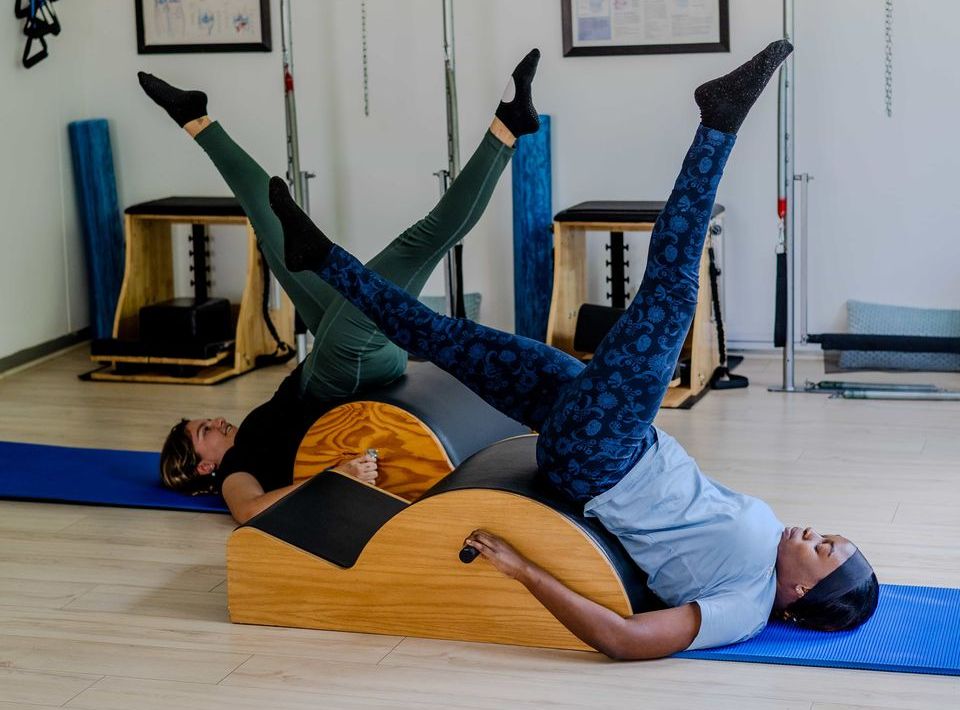
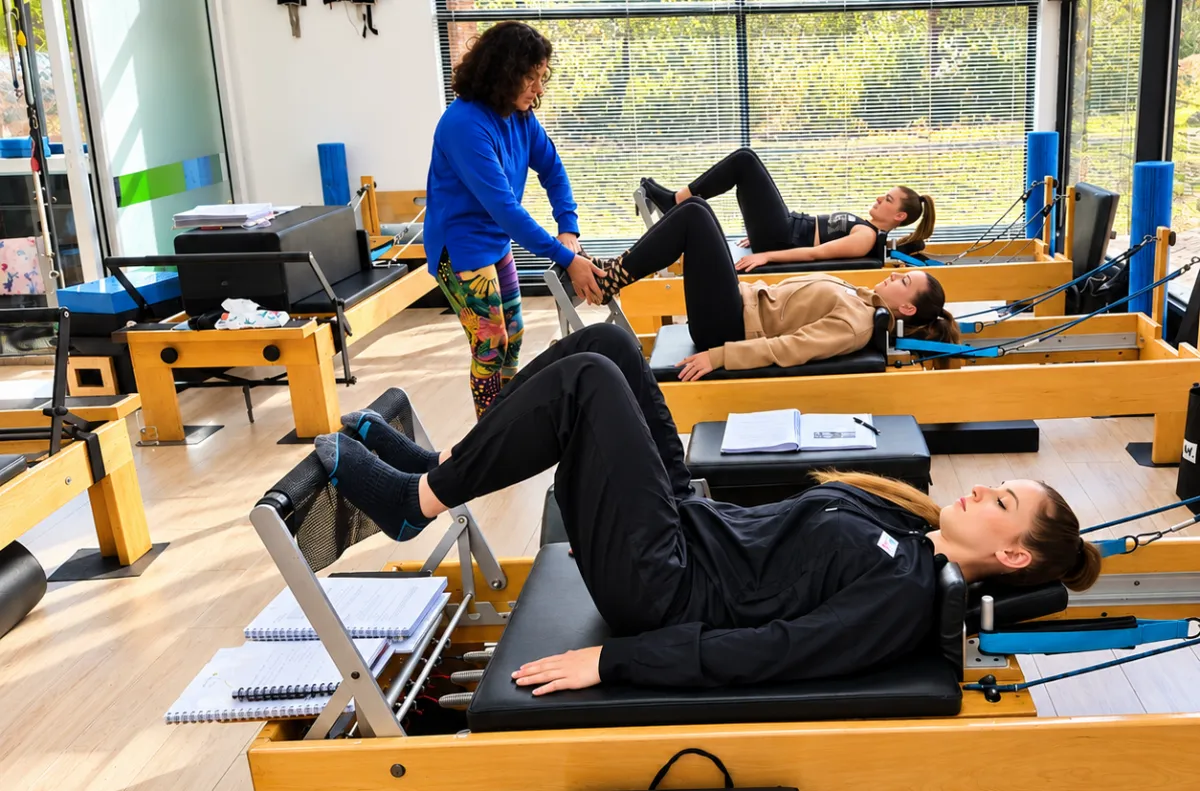
Teaching on the reformer, Cadillac or tower, Wunda chair and barrels requires studio time on expensive equipment and specialist teaching. That is why courses covering large equipment cost more than mat training, and why combined courses usually work out better value than taking each part separately.
Accreditation
Recognised courses have to meet the standards of the bodies that accredit them. Our courses earn 20 CPD points with REPSSA, 30 CEUs (mat) and 26 CEUs (reformer) with SASP, and 24 to 30 CPD points with BASA. Accreditation matters if you want employers, physiotherapists and biokineticists to take your qualification seriously.
Course materials
Your fee covers the course manuals and access to an online exercise video library, which you will keep using long after you qualify. Check whether other courses include these or charge extra for them.
Group or private lectures
Group lectures run in small groups of 4 to 10. If the group dates don’t suit you, lectures can be done privately at times that work for you, which is reflected in the fee. Online tuition for the lectures is also possible.

Costs to budget for besides the course fee
- Exam fee: the exam fee is charged separately from the course fee. Exams run three times a year, in March, July and October.
- Your time: practical hours are completed in your own time, so plan how many hours a week you can commit. The faster you complete your hours, the sooner you can start earning.
- Some classes before you start: we recommend doing some Pilates classes so you know how the movements feel. You do not need to be fit; the training will get you there.
Paying for your course
Payment plans are available, with the course fee spread over up to six months. Current fees, deposits and payment options are set out in the info pack, which we keep up to date, so please use it rather than older figures you may find online.
Is a cheaper course a false economy?
Often, yes. When you apply for a teaching job, locally or abroad, you will usually be asked to teach a sample session. Instructors who did a very short or online-only course often find they need to retrain before they feel confident, which costs more in the end. What you are paying for at Pilates Dynamics, led by Director and Lead Instructor Andriesa Verloop, is:
- Applied anatomy, so you understand how the body moves
- The muscle focus, goals, contraindications and recommendations for every exercise
- Modifications using props and small equipment to make exercises easier, harder or to correct form
- Injuries and pathologies built into the repertoire
- Teaching skills: how to teach, not only what to teach
For help deciding which qualification you actually need, read our guide to Pilates certification in South Africa or how to become a Pilates instructor.
Frequently asked questions
Why don’t you list prices on this page?
Fees are reviewed from time to time, and we want you to see the correct figure. The info pack always has the current fees for every course.
Is the exam included in the course fee?
No, the exam fee is separate. The info pack lists it alongside the course fees.
Can I pay in instalments?
Yes. Payment plans of up to six months are available.
Get the current fees
Download the info pack for current fees, dates and payment plans, or compare all six courses. If you have questions about which course is right for your budget and goals, send us an enquiry, email info@pilatesdynamics.co.za or call 011 792 5459.