Pilates New Year resolutions that actually last
Six realistic Pilates New Year resolutions for starting or restarting Pilates, plus tips to make the habit stick. Find out how to begin at your level.

The best Pilates New Year resolutions are small and specific: commit to a realistic number of classes each week, focus on your core and posture, and measure progress by how you feel and move rather than by a number on the scale. Whether you are starting Pilates for the first time or restarting after a break, a resolution built around steady, mindful practice is far more likely to last than a crash diet or a promise to “go to the gym more”.
Why Pilates makes a good resolution
Most resolutions fail because they are too extreme. People go from no exercise to five hard sessions a week, get sore or bored, and stop by February. Pilates suits a fresh start because it meets you where you are. Exercises can be scaled down for complete beginners and progressed for experienced clients, and the focus on control and breathing means you finish a class feeling worked but not wrecked.
It is also more than a workout. Pilates builds strength, improves posture and flexibility, and asks you to concentrate on how you move. Many clients find that this mindful element helps them switch off from work and carry better habits into the rest of their day.
Six Pilates New Year resolutions worth keeping
1. Choose consistency over perfection
Rather than aiming for an extreme fitness goal, commit to showing up regularly. Two classes a week is a realistic starting point for most people and is often enough to notice changes in strength, flexibility and energy within the first couple of months. Book your classes into your diary like any other appointment.
2. Strengthen your core
Pilates is built around the core, the “powerhouse” of deep abdominal, back and pelvic floor muscles that supports your whole body. Set yourself a goal such as mastering a classic exercise like the Teaser, or simply learning to engage your core properly in every movement.
3. Move with intention
Make a resolution to concentrate on your breath, form and control during every class. This kind of mindful movement can carry over into daily life, helping you notice tension building in your shoulders or jaw and let it go.
4. Improve your posture
Long hours at a desk, in the car or on your phone take their toll. Regular Pilates helps strengthen the muscles that hold you upright and teaches you what good alignment feels like, so you can stand taller and feel more comfortable through the day.
5. Try something new
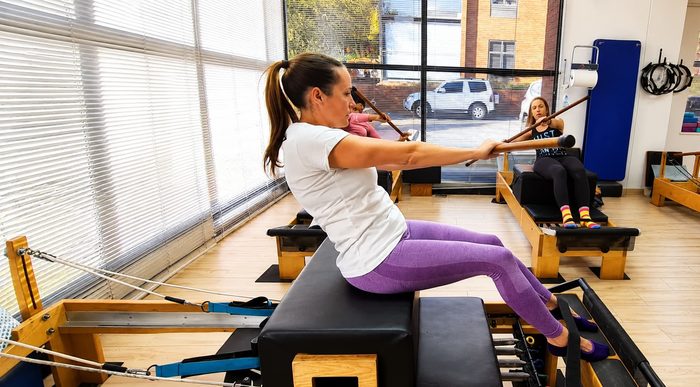
If you have only ever done mat work, try a reformer, tower or Wunda chair class. If you’re comfortable with the basics, ask your instructor about progressing to more challenging exercises. New challenges keep your practice interesting and keep your body adapting.
6. Celebrate small wins
Don’t wait until the end of the year to recognise your progress. Holding a plank a little longer, touching your toes more easily, or simply getting through a busy week without back ache are all worth noticing.
Starting (or restarting) Pilates as a resolution
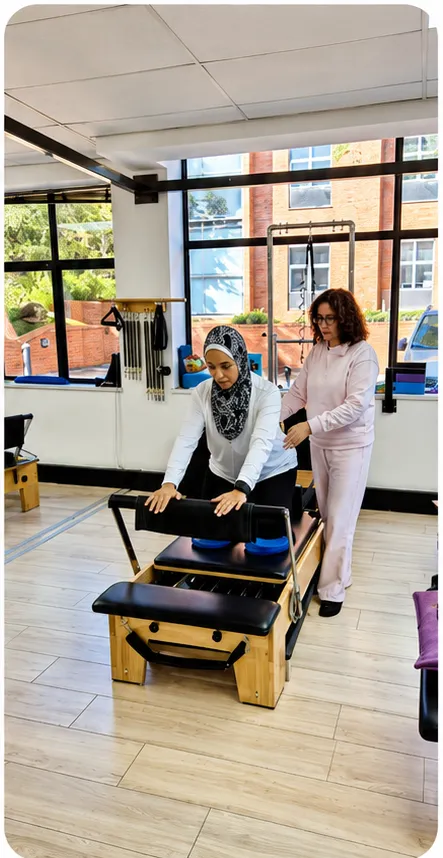
If you are new to Pilates, or it has been a while since your last class, the most important step is starting at the right level. Jumping straight into an advanced group class can lead to frustration or strain. At Pilates Dynamics every new client begins with a 55-minute beginner assessment, which includes a posture analysis and an orientation to the equipment. Your instructor uses this to recommend the classes that suit your body and your goals.
A few practical tips for making your resolution stick:
- Pick fixed class times. A regular slot on the studio timetable is easier to keep than “whenever I have time”.
- Start with two classes a week. You can add a third once the routine feels settled.
- Tell your instructor about any injuries or conditions. Exercises can be adapted, and for medical concerns it is worth checking with your doctor or physio first.
- Bring a friend. A Pilates partner makes it harder to skip class.
- Be patient. Pilates builds deep strength gradually; the changes are real but they take a few weeks to show.
If you’re unsure what your first session will involve, read our post on what to expect from your first Pilates session.
Frequently asked questions
How often should I do Pilates to see results?
Two to three classes a week is ideal. Many people notice they feel stronger and more aware of their posture after a few weeks of regular sessions, with more visible changes over a few months.
Do I need to be fit to start Pilates?
No. Classes are kept small and exercises are adjusted to your level, so you can start wherever you are.
Is it too late to start a resolution if I’ve already missed a few weeks?
Not at all. Any time is a good time to start or restart Pilates. The resolution that matters is the one you keep, not the date you begin.
Make this the year you stick with it
We’ve been helping people in Randburg and Johannesburg build lasting Pilates habits for nearly two decades. Book your beginner assessment, see current class options on our pricing page, or contact us on 011 792 5459, WhatsApp 072 999 2229 or info@pilatesdynamics.co.za.