The Pilates Reformer machine: what it does and is it good for beginners?
What a Pilates Reformer machine does, how the springs and jump board work, and why it suits beginners. Learn how to get started safely.

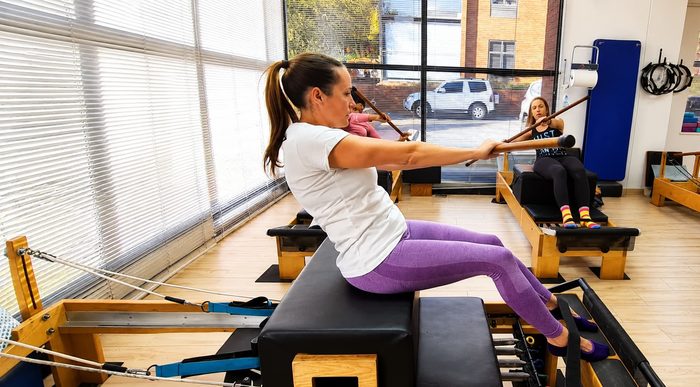
A Pilates Reformer machine is a bed-like frame with a padded carriage that slides back and forth on wheels, attached to springs that provide adjustable resistance. You push and pull against those springs with your legs, arms and core, using a footbar, straps and handles, to build strength, flexibility and control. Because the resistance can be set light or heavy, the Pilates Reformer machine suits complete beginners as well as athletes. Here is how it works, what the jump board adds, and how to get started.
Where the Reformer comes from
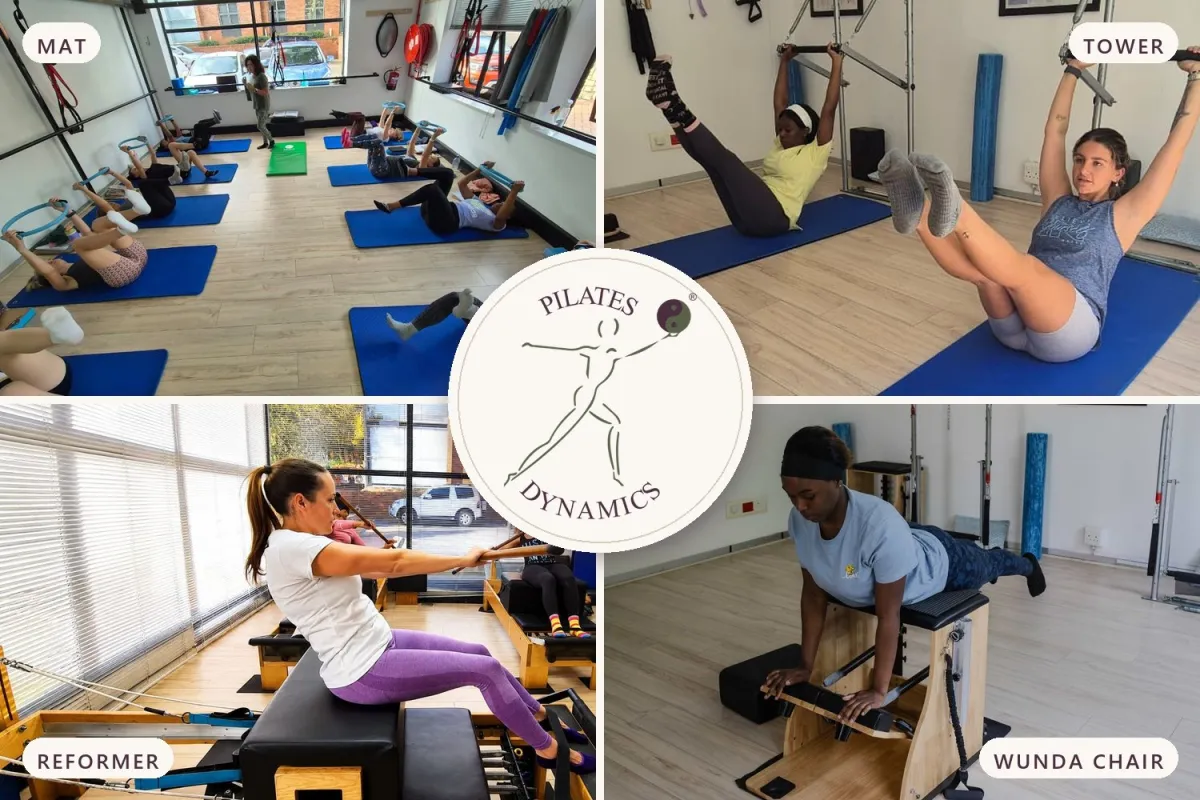
A reformer is someone who makes changes to improve something, so it is fair to say Joseph Pilates was a reformer in more ways than one. He invented a range of apparatus to support his method and the wellbeing of the people he trained, including the Wunda Chair, the Cadillac, the Tower and the world-famous Reformer. More than a century later, these machines are still the foundation of equipment-based Pilates.
How the Pilates Reformer machine works
The main parts
- Frame and carriage: a flat, padded platform that rolls along the frame.
- Springs: springs of different colours give different resistance levels and can be combined.
- Footbar: a bar at one end to push against with your feet or hands.
- Straps, loops and handles: let you work your arms, legs and trunk from many positions.
- Jump board: an optional attachment that replaces the footbar for low-impact jumping.
What the springs do
Heavier springs put more emphasis on leg strength and power. Lighter springs make the carriage less stable, so your deep stabilising muscles of the pelvis, core and spine must work harder to control it. That is why a lighter setting is not always easier.
Is Reformer Pilates good for beginners?
Yes. The springs can be adjusted to your strength and the carriage supports your body, which many beginners and people with stiff joints find reassuring. Every exercise has a modification, so Reformer Pilates works for everyone from athletes and dancers to people returning after injury. The key is to learn with a qualified instructor in a small class. Read one beginner’s experience of starting Reformer Pilates, or compare Reformer and mat Pilates to decide where to begin.
What a Reformer class looks like
A typical class starts with footwork and gentle warm-up exercises lying on the carriage, then works through the whole body: legs, hips, core, back, arms and shoulders, in lying, kneeling, seated and standing positions. Your instructor sets the springs for each exercise and shows you the set-up, so you never need to guess. All adult classes are 55 minutes, and groups are kept small so you get corrections throughout.
If you have an injury or medical condition, check with your doctor or physio first. Our biokineticist, Aurelie, can help you start safely.
The Reformer jump board and its benefits
A jump board is a padded board that replaces the footbar. Lying on the carriage, you jump horizontally against the springs, which adds low-impact plyometric (jumping and power) work to your session. Plyometrics are usually associated with athletes, but on the Reformer anyone can do them safely.
Benefits of jump board work include:
- Low impact: like a rebounder, you get a cardio workout without the jarring landing on your knees and back.
- Cardio and energy use: the aerobic element raises your heart rate and burns energy.
- Circulation: faster heart and breathing rates help move oxygen and nutrients around the body.
- Strength and stability: spring settings shift the focus between leg power and core control.
- Endurance: regular sessions build stamina.
- Co-ordination and focus: learning new jumping sequences challenges your brain as well as your body, and the rhythmic breathing helps you settle.
Some people with joint or bone concerns, such as osteoporosis or knee and ankle problems, find the lying-down position makes jumping more manageable. Always check with your doctor first.
Learn to teach on the Reformer
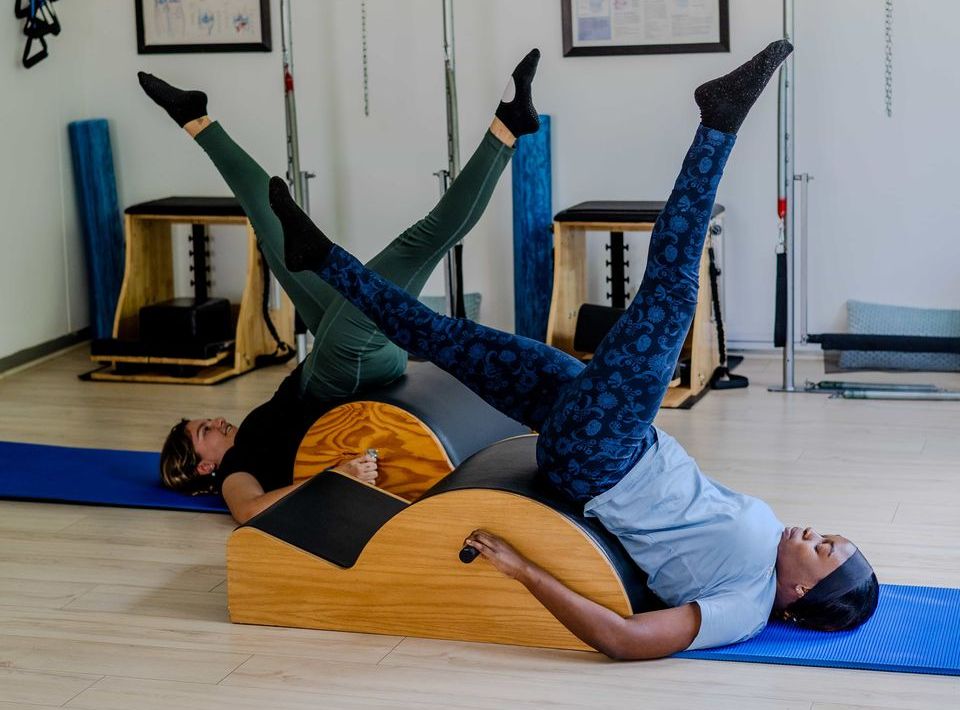
Pilates Dynamics also trains Pilates instructors. On our courses you get hands-on experience with the Reformer, Cadillac, Tower, Wunda Chair, ladder and arc barrels and a host of small equipment. If you already teach and want to add the Reformer to your studio, gym or practice, our Intensive Reformer course (70 hours) is the place to start.
Frequently asked questions
What is the difference between Reformer and mat Pilates?
Mat Pilates uses your own body weight against gravity, with small equipment for extra resistance. Reformer Pilates uses springs on a sliding carriage, which can make an exercise more challenging or give your joints more support. Read our full comparison of Reformer vs mat Pilates.
How often should I do Reformer Pilates?
We suggest at least twice a week. Many of our clients do one Reformer class and one mat class each week.
How long is a Reformer Pilates class?
All our adult classes are 55 minutes. New clients start with a 55-minute beginner assessment before joining a small group class.
Try the Reformer at Pilates Dynamics
New clients start with a 55-minute beginner assessment with posture analysis, then join small Reformer, Tower and Wunda Chair classes. See current prices, or call 011 792 5459 / 072 999 2229 or email info@pilatesdynamics.co.za.