Winter Pilates: why reformer classes are the ideal low-impact workout for colder months
Winter Pilates keeps you warm, mobile and strong through the colder months. See why low-impact reformer classes suit the season and how to start.

Winter Pilates is one of the best ways to keep moving when the colder months make you want to stay on the couch. Reformer classes in particular are low impact, warm you up gently with slow, controlled movement, and build strength, flexibility and good posture without stressing your joints. Staying active through the colder months also helps your mood and energy, so you reach the warmer seasons feeling strong rather than starting from scratch.
Why it is worth staying active in the colder months
As the days get shorter and colder, it is tempting to swap your workout for a warm evening at home and comfort food. The trouble is that a few months of skipped exercise adds up. Muscles stiffen, a few kilos creep on, and it is harder to get going again. Your mental wellbeing often dips too.
A regular indoor routine keeps you moving all year round. Pilates suits the colder months especially well because it works with your body rather than against it:
- It warms you up safely. Cold weather can make joints feel stiff and muscles tight. Slow, controlled Pilates movements gradually raise your body temperature, improve circulation and keep your joints mobile.
- It lifts your mood. Less sunlight can leave you feeling flat or low on energy. Many clients find they leave a class feeling calmer, clearer and more upbeat.
- It supports your overall health. Regular, moderate exercise and lower stress are good for your general wellbeing, which matters during cold and flu season.
- It reduces the risk of strains. Stiff, cold muscles are more prone to injury. Pilates lengthens and strengthens muscles together, improving flexibility.

The benefits of winter Pilates on the reformer
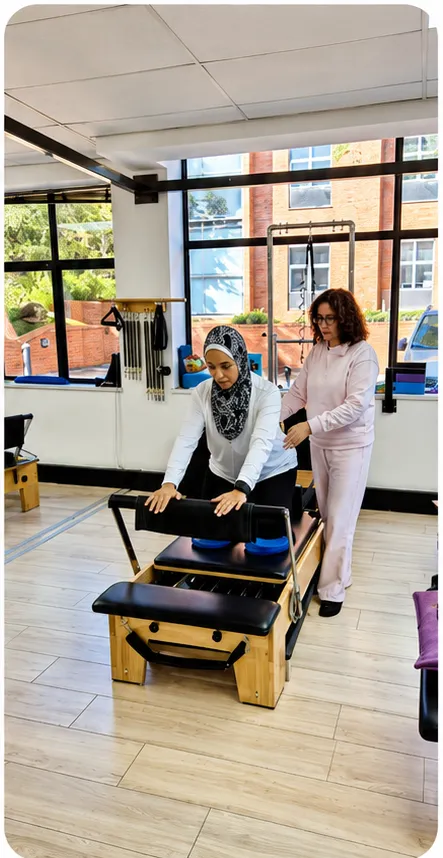
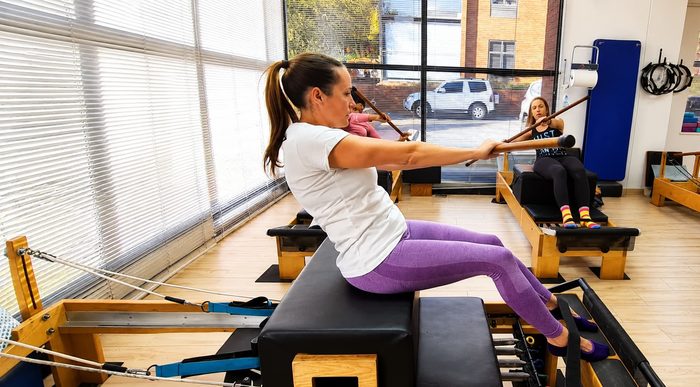
Reformer Pilates uses a sliding carriage with springs for resistance. It is a highly effective, low-impact workout that suits beginners and experienced clients alike. If you want to know more about the machine itself, read our guide to the benefits of reformer Pilates.
Flexibility without overstretching
Pilates improves functional flexibility by lengthening and strengthening muscles at the same time. Instead of passive, static stretching, it uses active, controlled movement, so your muscles stay engaged and supported. Exercises focus on:
- Spinal articulation, to mobilise and loosen your back
- Hip mobility, targeting tight hip flexors and quads to increase your range of movement
Better posture
Hours at a desk, on a laptop or looking down at a phone lead to rounded shoulders, a forward head and lower back strain. Pilates helps rebalance this through:
- Deep core engagement, strengthening your “powerhouse” (abdominals, back and pelvic floor) to support your spine
- Spinal articulation, restoring movement to a stiff upper back
- Mind-body awareness, teaching you to hold your head, shoulders and hips in good alignment through the day and in sport

Low impact and kind to your joints
Mat and reformer classes build strength, flexibility and core stability without the jarring impact of running or jumping. That makes them:
- Joint-friendly, protecting knees, ankles and hips from overuse
- Core-centred, with every movement starting from the powerhouse for whole-body alignment
- Easy to adapt, whether you are new to exercise, coming back from an injury, or an athlete looking for more challenge

Stress relief
Controlled breathing, focus and body awareness make Pilates a valuable part of managing stress. Whether you want to release muscle tension, calm your mind or simply take an hour for yourself, a class offers a welcome break.
Toning from the inside out
Pilates builds lean, strong muscles and core strength without adding bulk. Controlled movements, including lengthening under tension, help create a firm, defined shape while improving posture and joint stability. Many clients are surprised at how much stronger they become.
Mat or reformer in the colder months?
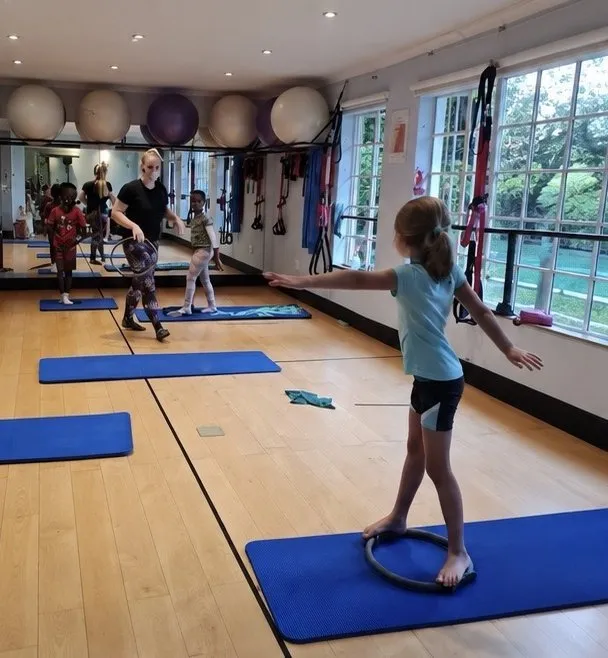
Both are excellent. Reformer classes add spring resistance and support, while mat classes use your body weight plus small equipment such as balls, bands, rings, TRX and rebounders. Many of our clients do both. Our comparison of reformer vs mat Pilates can help you decide.
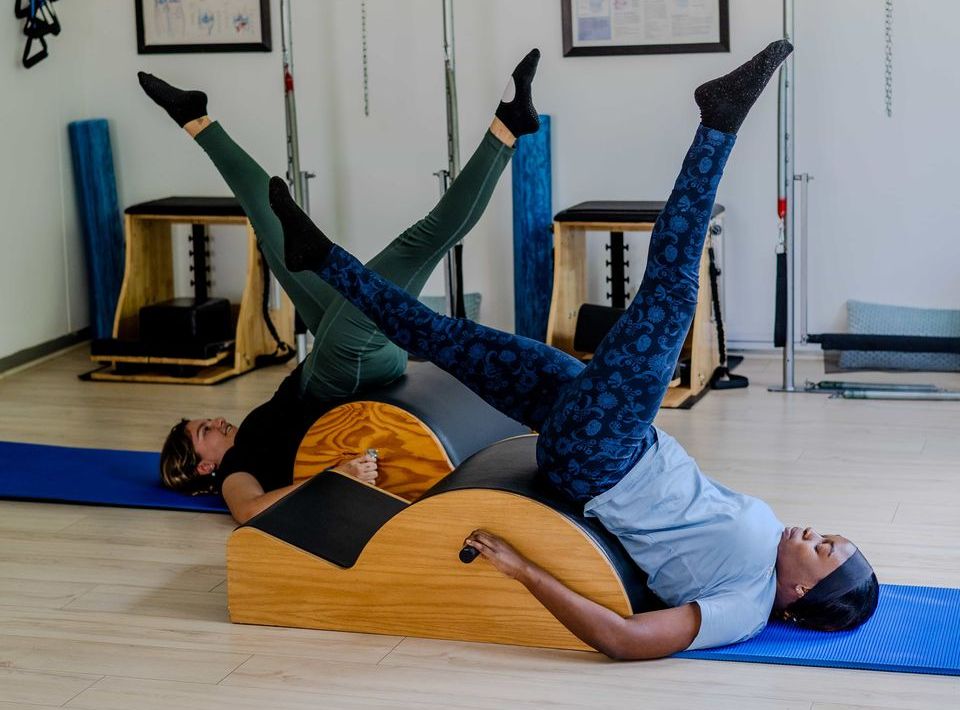
At Pilates Dynamics in Randburg you will find beginner, intermediate and more athletic classes in small groups, along with tower, Wunda chair, barre and stretch classes for variety. All adult classes are 55 minutes.

Frequently asked questions
Is Pilates a good workout when it is cold?
Yes. It is done indoors, warms you up gradually and is low impact, so it suits stiff, cold muscles better than jumping straight into high-impact training.
How often should I do Pilates through the colder months?
Two to three classes a week is a good target for most people. Consistency is what keeps you strong from season to season.
Keep moving all year round
New to the studio? Start with a beginner assessment, then view the timetable to choose your classes. For current rates, see our pricing. You can also call 011 792 5459 or 072 999 2229, or email info@pilatesdynamics.co.za.